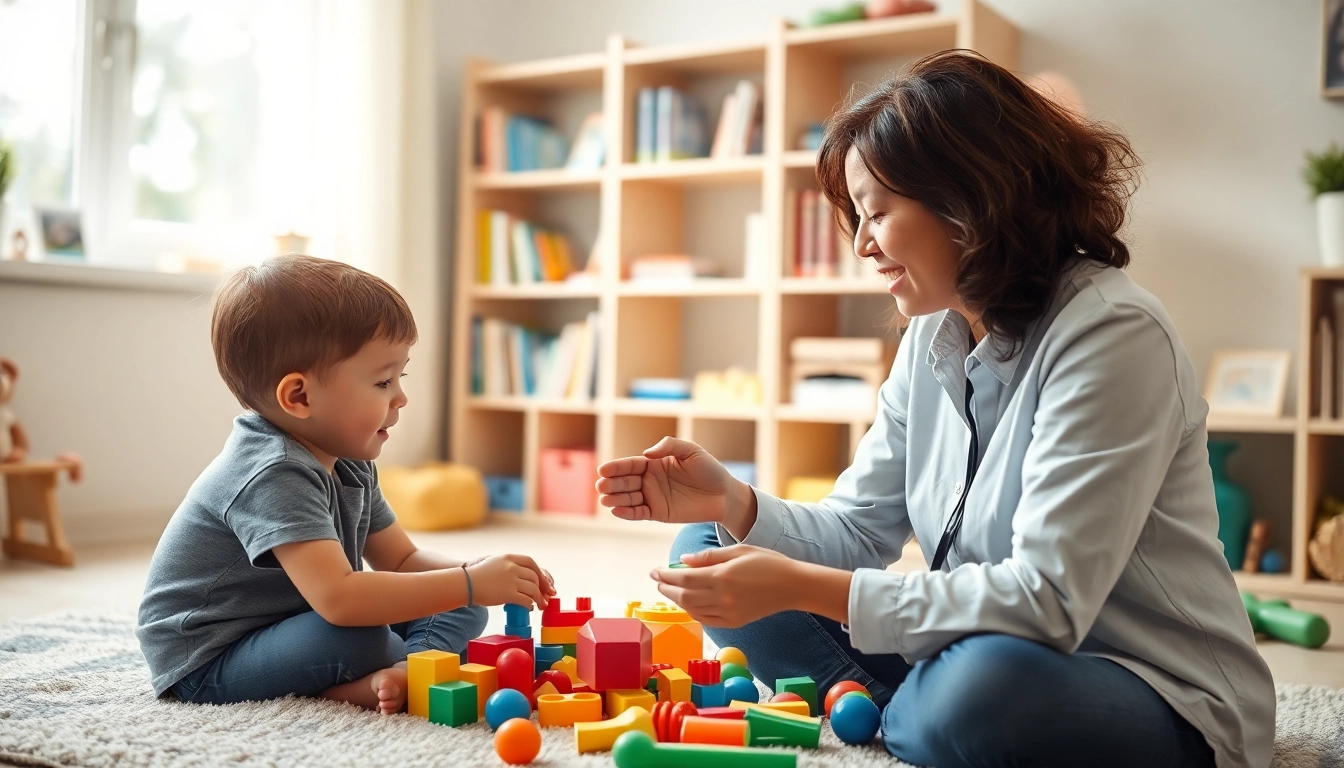
Understanding Play Therapy
Defining Play Therapy
Play therapy is a therapeutic approach geared towards helping children express their feelings and experiences through the medium of play. Defined as the systematic use of a theoretical model, play therapy establishes an interpersonal process in which trained therapists utilize the natural inclination of children to play. This method enables them to prevent or resolve psychosocial difficulties while promoting optimal emotional and psychological growth. In play therapy, toys and creative play become tools to uncover thoughts and feelings that might be challenging for children to verbalize. Play Therapy serves as a critical intervention for children facing various emotional or behavioral issues, providing them with a safe space to explore their emotions effectively.
Theoretical Foundations Behind Play Therapy
The theoretical underpinnings of play therapy are deeply rooted in various psychological frameworks, including child-centered theory, psychodynamic approaches, and behavioral models. The child-centered approach, pioneered by figures such as Virginia Axline, emphasizes the importance of understanding the child's feelings through non-directive play. The psychodynamic perspective aligns with understanding the underlying emotions and conflicts that may manifest through play. Behavioral models incorporate play as a form of learning, reinforcing positive behaviors while addressing harmful ones. Together, these frameworks provide a comprehensive understanding of a child’s emotional and social development and guide the therapist in facilitating growth through play.
Benefits of Play Therapy
The benefits of play therapy are numerous and multifaceted. One significant advantage is that it allows children to communicate their emotions and experiences without the need for verbal articulation, effectively helping those with limited verbal skills or those who may struggle to express themselves verbally. This modality also fosters a safe and supportive environment, allowing children to process their feelings in a way that feels natural and less intimidating. Furthermore, play therapy can help enhance relationships with caregivers by incorporating family dynamics into sessions, ultimately improving communication and understanding within the family unit. It is recognized for addressing a variety of issues, including anxiety, depression, trauma, and behavioral problems, contributing to the overall mental health of children.
Who Can Benefit from Play Therapy?
Childhood Challenges Addressed by Play Therapy
Play therapy is particularly effective in addressing multiple childhood challenges, including emotional disturbances, behavioral issues, and developmental delays. Children experiencing trauma, such as from abuse or neglect, can find a healing outlet through play, as it allows them to revisit and make sense of their experiences. Children with anxiety and depression can benefit from the therapeutic engagement of play, which can alleviate feelings of isolation or sadness. Socialization difficulties, attachment disorders, and self-esteem issues are also prevalent challenges that can be positively influenced by play therapy. By offering a platform for expression, play therapy acts as both a diagnostic tool and a treatment modality.
Play Therapy for Different Age Groups
While play therapy is typically targeted at children aged 3 to 12, its principles can be adapted for various developmental stages. For younger children, play therapy allows for spontaneous expression using simple toys and basic role-playing scenarios. As children age, therapy can evolve to incorporate more complex activities, addressing specific developmental tasks or emotional issues pertinent to their age group. Adolescents may engage in play therapy through art or games that facilitate deeper discussions about self-identity, relationships, and emerging responsibilities. This adaptability makes play therapy a valuable tool across different age ranges.
Potential Benefits for Adults
Although play therapy is primarily associated with children, its principles can extend to adults, particularly those who have experienced trauma or have difficulty processing emotional experiences. Adult play therapy often utilizes art or other creative expressions to unlock feelings and memories that may be difficult to access through traditional talk therapy methods. This approach can lead to profound insights and healing, allowing adults to revisit their inner child and engage in self-exploration. Therapists trained in play therapy techniques can thus create therapeutic environments conducive to healing across all age groups.
Effective Techniques Used in Play Therapy
Types of Play Therapy Approaches
There are various approaches to play therapy, each tailored to meet the individual needs of children and their unique circumstances. Some of the most common include:
- Non-Directive Play Therapy: This approach allows children the freedom to play without guidance, encouraging them to explore their feelings and experiences organically.
- Directive Play Therapy: In this method, therapists may guide play activities to help children address specific issues, ensuring that therapeutic goals are met.
- Filial Therapy: This approach emphasizes the involvement of parents and caregivers in therapy sessions, allowing them to learn strategies to support their child's emotional needs at home.
- Group Play Therapy: Conducted in a group setting, this method fosters social skills and peer interactions, encouraging children to learn from one another.
Incorporating Art in Play Therapy
Art can play a pivotal role in play therapy, serving as an expressive outlet when words are insufficient. Techniques such as drawing, painting, and sculpting can help children articulate their feelings and process experiences creatively. Therapists can gauge emotional states through the themes and symbols represented in the artwork, making it a valuable diagnostic and therapeutic tool. This incorporation of art promotes engagement and self-reflection, allowing children to develop a deeper understanding of their emotions and behaviors.
Role of the Therapist in Play Therapy
The therapist's role in play therapy is multifaceted, serving as a facilitator, observer, and interpreter of the child's play. Building rapport with the child is essential, as a trusting relationship between the therapist and child encourages open expression. Therapists must observe play carefully, noting patterns or themes that may emerge, which can provide significant insights into the child's emotional state or cognitive processes. Additionally, therapists are responsible for creating a safe and nurturing environment, free of judgement, where the child can explore their feelings and experiences freely.
Implementing Play Therapy
Steps for Effective Play Therapy Sessions
Implementing effective play therapy requires a structured yet flexible approach. Here are key steps in conducting a successful session:
- Establish Trust: Spend initial sessions building rapport with the child through simple play activities to make them feel safe and comfortable.
- Assess Needs: Utilize initial interactions to gauge the child's emotional state and need for support by observing their play styles and themes.
- Facilitate Play: Allow children to express themselves without directing the play too rigidly. Observe and guide subtly as needed to address specific concerns.
- Process the Experience: After the play, discuss the materials or stories they created, allowing children to verbalize their feelings and thoughts.
- Involve Caregivers: If appropriate, integrate parents or guardians into sessions for essential support and insight into the child's behavior.
Creating a Safe Play Environment
A crucial component of successful play therapy is the establishment of a safe and inviting play environment. This space should be furnished with various toys, art supplies, and creative tools that allow for exploration and expression. The room should be designed to be comfortable, ensuring children feel relaxed and open to sharing their thoughts. Ensuring confidentiality and establishing boundaries within the session also contribute to a feeling of safety. Additionally, it is essential to tailor the environment to reflect the child's interests and needs to foster engagement and connection.
Measuring Progress in Play Therapy
Measuring progress in play therapy can be complex but involves several key methods:
- Behavioral Observations: Monitor changes in behavior, emotional responses, and interpersonal skills throughout sessions.
- Feedback from Parents/Caregivers: Regularly check in with families to gather insights on changes in behavior at home or school.
- Therapeutic Goals: Set specific, measurable therapeutic goals at the beginning of therapy and review them regularly to assess advancements.
- Use of Scales and Assessments: Employ standardized tools to quantify progress in emotional and behavioral health as therapy continues.
Common FAQ About Play Therapy
Does Play Therapy Work for Anxiety?
Yes, play therapy is effective for children struggling with anxiety, helping them express their fears and find coping strategies through play.
How Long Does Play Therapy Last?
The duration of play therapy varies but typically involves weekly sessions over several months, depending on individual needs and progress.
What Are Typical Activities in Play Therapy?
Typical activities include free play, structured games, art projects, and storytelling, all aimed at exploring emotional and interpersonal issues.
Can Play Therapy Help with ADHD?
Yes, play therapy can be beneficial for children with ADHD, promoting self-regulation, improving focus, and reducing impulsivity through engaging activities.
Is Play Therapy Evidence-Based?
Research supports play therapy as an evidence-based practice effective for various emotional and behavioral issues, demonstrating its reliability in therapeutic settings.