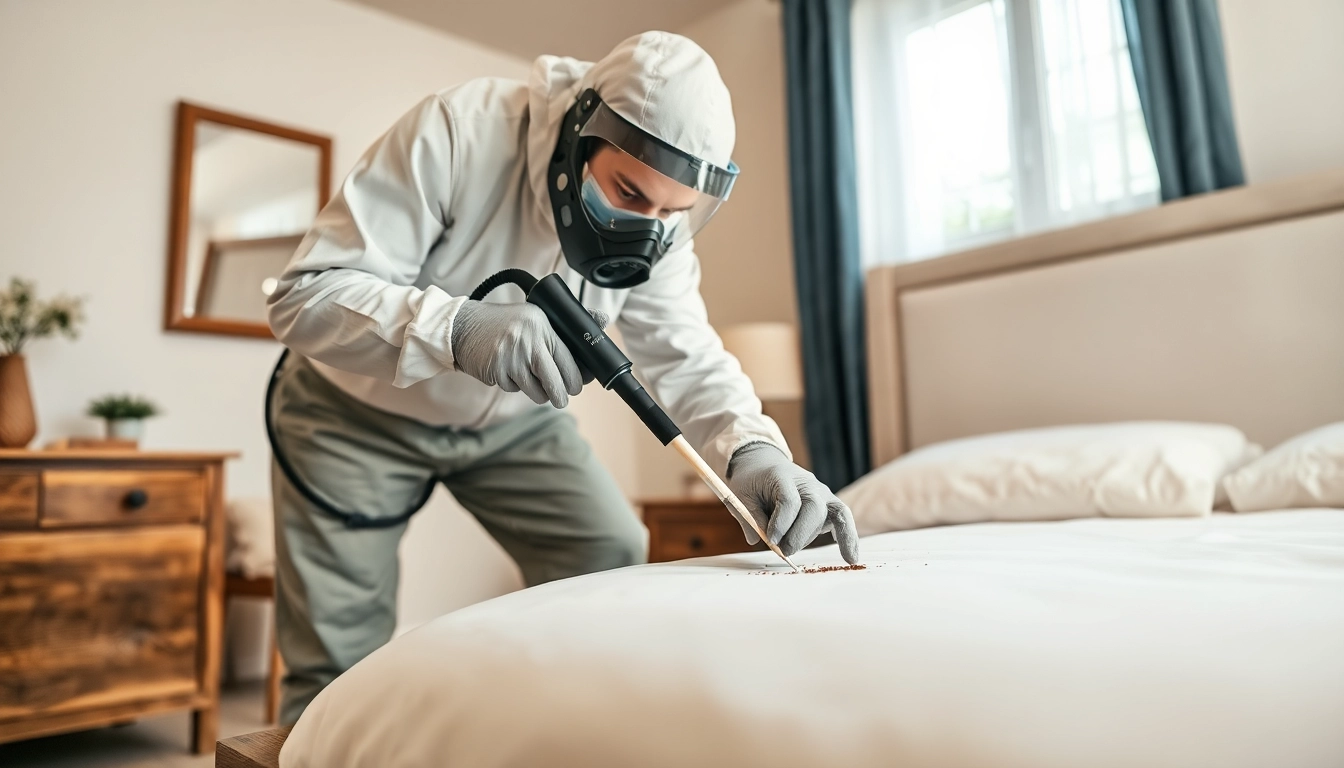
Understanding Bed Bugs and Their Impact
What Are Bed Bugs?
Bed bugs are small, reddish-brown insects that primarily feed on the blood of humans and animals. These pests are about the size of an apple seed—ranging from 1 to 7 mm in length—and have a flat, oval shape, which allows them to hide in tiny crevices and seams. Bed bugs are not known to transmit diseases, but their bites can cause discomfort and lead to significant psychological distress as individuals worry about infestations.
Signs of an Infestation
Identifying a bed bug infestation early is vital for effective containment and treatment. Common signs include:
- Bites: Bed bugs typically feed at night, leaving red, itchy welts on the skin that can resemble mosquito bites.
- Blood stains: Small blood spots on sheets or mattresses may indicate that a bed bug has been squished after feeding.
- Dark spots: These may be bed bug feces, often found on bedding, mattresses, or nearby furnishings.
- Eggs and skins: Bed bugs shed their skins and lay eggs that can be found in areas where they hide.
Health Risks Associated with Bed Bugs
While bed bugs are not known to spread diseases, the psychological stress associated with bites and infestations can lead to anxiety and insomnia. Scratching the bites can result in secondary infections. Awareness of these risks underscores the importance of effective bed bug treatment strategies to manage and eliminate infestations.
Common Bed Bug Treatment Methods
Heat Treatment Techniques
Heat treatment is an effective approach that kills bed bugs at all life stages. The process involves raising the temperature in an infested area to about 120°F, typically using specialized equipment. It is an eco-friendly option that avoids the use of chemical pesticides and can often provide rapid results. However, proper preparation and monitoring are crucial to ensure that all bed bugs are eradicated.
Chemical Treatments and Products
Chemical treatments involve the application of insecticides specifically formulated for bed bugs. Some common active ingredients include pyrethroids, neonicotinoids, and insect growth regulators. These products can effectively kill bed bugs on contact and disrupt their reproductive cycle. It's essential to follow manufacturers' instructions and consider potential hazards, especially in homes with children or pets.
DIY vs. Professional Treatments
Homeowners often face the decision of tackling bed bug infestations themselves or hiring a professional. DIY methods may include steam cleaning, vacuuming, and using over-the-counter treatments. However, insufficient or incorrect handling can lead to a prolonged infestation. Professional exterminators are trained to identify and eliminate bed bugs safely and effectively. Understanding the complexity of infestations often tips the scale toward seeking expert help.
Preparing for Bed Bug Treatment at Home
Steps to Take Before Treatment
Preparation is a critical step in ensuring that any treatment approach succeeds. Before beginning, residents should:
- Identify and document all areas of infestation.
- Remove bedding and linens and wash them in hot water.
- Declutter and organize the space around affected areas to provide better access during treatment.
Cleaning and Decluttering
Cleaning the infested area can significantly enhance the effectiveness of treatment. Vacuuming carpets, furniture, and baseboards reduces the population of bed bugs and their eggs. Disposing of vacuum bags immediately after use is essential. Decluttering eliminates places where bed bugs can hide, making treatment more efficient.
Identifying Affected Areas
To prepare for treatment, it's important to identify all affected areas. This might include:
- Mattresses and box springs
- Bed frames and headboards
- Cracks and crevices in furniture
- Behind baseboards and electrical outlets
Preventing Future Bed Bug Infestations
Best Practices for Bed Bug Prevention
Prevention is key to avoiding future infestations. Implement the following practices:
- Inspect second-hand furniture before bringing it home.
- Use protective covers on mattresses to prevent bed bugs from nesting.
- Maintain a clean and clutter-free environment.
Regular Inspections and Maintenance
Conducting regular inspections in potential hiding places can aid in early detection. Setting aside time to check for signs of bed bugs in each room every few months is a proactive way to avoid infestations.
Using Protective Mattress Encasements
Protective mattress encasements create a barrier that prevents bed bugs from entering or escaping. These encasements should be tightly sealed and made of a material that is comfortable and breathable.
When to Seek Professional Help
Recognizing Severe Infestations
If an infestation is severe or persists despite DIY efforts, it is crucial to seek professional help. Signs of a severe infestation may include multiple bite marks on the body, large numbers of visible bugs, or a significant presence of bed bug feces.
Choosing the Right Exterminator
When selecting an exterminator, it is vital to check for licensing, experience, and reviews. A good exterminator will thoroughly evaluate the situation, provide a comprehensive plan of action, and guarantee their work.
Understanding Treatment Guarantees
Always inquire about treatment guarantees before hiring a pest control service. A reputable company will stand behind its treatments, providing reassurance that if bed bugs return, follow-up treatments at no additional cost will be offered.
FAQs About Bed Bug Treatment
Q1: What kills bed bugs instantly?
Heat exposure above 120°F or specific chemical insecticides can immediately kill bed bugs on contact. Regular applications of such treatments often help in eradication.
Q2: How do I know if bed bug treatment has worked?
Post-treatment, inspect bites, skin reactions, and signs of bed bugs like feces and shed skins. A thorough follow-up inspection should confirm the absence of live bugs.
Q3: Can I sleep in my bed after treatment?
It's typically recommended to avoid the treated areas for a few hours to ensure the effectiveness of treatment. Consult your exterminator for specific post-treatment advice.
Q4: How long does bed bug treatment last?
The effectiveness of treatment varies depending on methods used, the severity of infestation, and preventive measures taken. Follow-up inspections are crucial for long-term success.
Q5: Are there natural remedies for bed bugs?
Natural remedies, such as diatomaceous earth and essential oils, may help repel or kill bed bugs but are generally less effective than professional treatments or chemical solutions.