Introduction to Billiards
Billiards is a captivating game that combines skill, strategy, and precision. Ever since its inception, it has captured the hearts of individuals seeking both friendly competition and serious play. Whether enjoyed in the comfort of a home, at a bar, or in dedicated billiards establishments, Billiards continues to evolve. Its rich history, variation of games, and strong community make it an engaging pastime for enthusiasts of all ages.
What is Billiards?
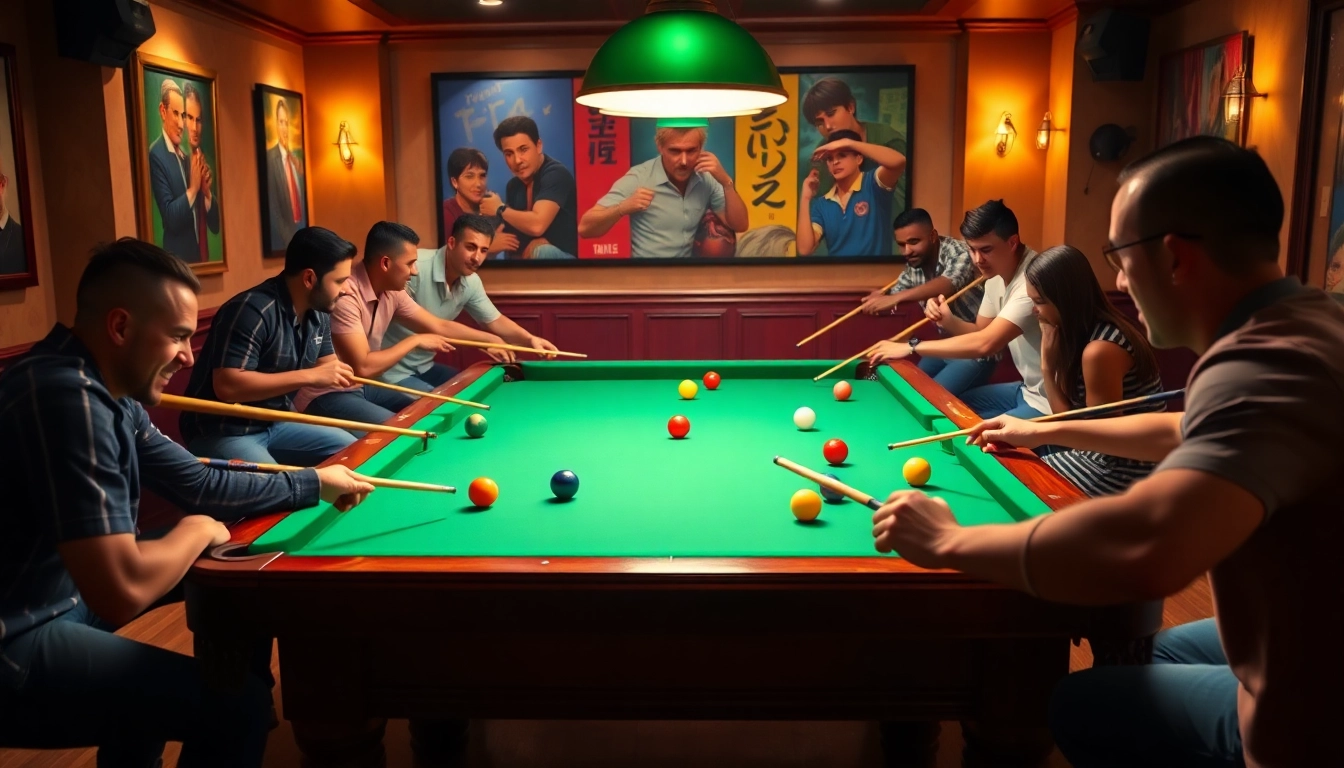
Billiards is a cue sport commonly played on a rectangular table covered with cloth, featuring six pockets at the corners and sides. The primary objective of the game is to use a cue stick to strike billiard balls and score points by sinking them into the pockets or hitting specific targets. The terms billiards, pool, and snooker are often used interchangeably; however, they represent different types of games that share similarities in equipment and rules. Billiards can refer to games played on a pocketless table or those that involve fewer balls. The establishment of rules and gameplay varies greatly, catering to different skill levels and preferences.
History of Billiards
The history of billiards dates back to the 15th century, with origins rooted in European aristocracy. The game initially emerged as a lawn game similar to croquet, and players would use sticks to strike balls into holes cut in the grass. Transitioning indoors, it evolved into a table game by the late 1400s, featuring wooden tables and leather-covered balls. Over the centuries, various styles developed, including carom billiards, pool, and snooker, each with distinct rules and cultures.
By the 19th century, billiards gained popularity in American taverns and clubs, leading to the establishment of formal leagues and championships. The introduction of the modern cue stick, standardized table sizes, and the formation of professional associations further transformed the competitive landscape of billiards.
Types of Billiards Games
Various forms of billiards exist, each with unique rules and equipment. Among the most popular types are:
- Eight-Ball: Played with a set of 15 balls; players strive to pocket either the solid or striped balls before sinking the eight ball to win.
- Nine-Ball: A fast-paced game where players hit the balls in numerical order; the first to pocket the nine ball wins.
- Straight Pool: Also known as 14.1 continuous, players can hit any ball on the table in a bid to reach a predetermined score.
- Carom: Played on a pocketless table, players score by hitting their cue ball to contact the two other balls on the table.
- Snooker: A precision game with a larger table and smaller balls, combining strategy and skill, making it a popular professional sport.
Equipment Essentials for Billiards
Having the right equipment is crucial for any player looking to enhance their game. Investing in quality gear can greatly impact performance and overall enjoyment.
Choosing the Right Cue Stick
The cue stick is arguably the most essential piece of equipment in billiards. When selecting a cue, consider factors such as weight, length, tip hardness, and materials used. A cue typically weighs between 18 to 21 ounces, and the right weight will depend on personal preference and play style. Most cues range between 57 to 59 inches in length; taller players may prefer longer sticks for added leverage. Cue tips can vary from hard to soft, influencing ball control and spin. Ultimately, a well-balanced cue tailored to your style will improve accuracy and help develop your skills over time.
Understanding Billiard Balls
Standard billiards balls come in different colors and sizes, depending on the game played. The traditional size is approximately 2.25 inches in diameter. Familiarity with the material used—usually phenolic resin—is vital, as it affects durability. In games like Eight-Ball and Nine-Ball, specific numbers or stripes are assigned to each ball, and understanding their roles will enhance strategic gameplay. Caring for your billiard balls, including regular cleaning and proper storage, ensures they remain in optimal condition for years of use.
Setting Up Your Billiards Table
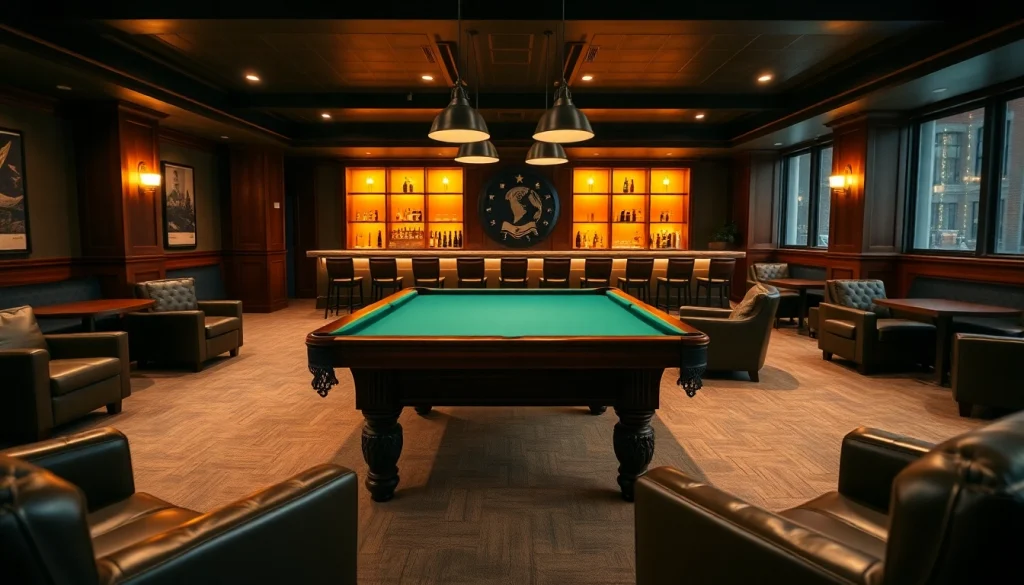
A well-maintained billiards table is foundational for an enjoyable playing experience. The table should be level, ensuring consistent ball movement. Factors to consider include cloth quality, slate bed support, and pocket size, all which impact gameplay. Regularly replacing worn-out cloth, cleaning the felt, and checking for proper cushion rebound are important for keeping the table in peak condition. Players should also ensure proper lighting to eliminate shadows and reflections that can distract or hinder performance.
Basic Techniques for Billiards
Mastering basic techniques is essential for players of all skill levels. Early practice focuses on building these foundational skills to improve overall game play.
Mastering the Grip
The grip on a cue stick significantly influences control and shot execution. A strong yet relaxed grip allows for smoother strokes and enhanced accuracy. Players should aim to hold the cue firmly with the dominant hand while maintaining flexibility. Experimenting with grip styles can help find what best suits individual needs; however, it’s vital to avoid grips that are too tight or tense.
Aiming Strategies for Billiards
Effective aiming is a combination of visualization and alignment. The basic approach involves selecting the target ball's pathway to the pocket and visualizing the cue ball’s path towards it. Players can develop their aiming skills through practice drills, including focusing on specific ball placements and practicing shot execution from various angles. Utilizing techniques such as the ghost ball method, where players imagine a second ball in the pocket, can enhance aiming precision.
Effective Stroke Mechanics
The mechanics of a stroke play a pivotal role in achieving desired shot outcomes. A proper stroke consists of a smooth, controlled motion that follows a consistent trajectory. The key is to master a pendulum-like motion in the arm, isolating the wrist for crisp contact with the cue ball. Players should ensure a fluid backswing and a proper follow-through after impact, which contributes to the effectiveness of spin and ball movement. Consistent practice enhances stroke mechanics, leading to better shot consistency.
Advanced Strategies in Billiards
Once foundational skills are mastered, players can delve into advanced strategies to enhance their competitive edge.
Shot Selection and Positioning
Strategic shot selection and positioning are pivotal in translating skill into success during gameplay. Experienced players analyze the table and consider not just their next shot but the subsequent shots, working on positioning the cue ball favorably after each shot. Utilizing a targeted approach to navigate through challenging layouts promotes strategic thinking and improved outcomes.
Defense and Safety Shots in Billiards
Defense plays a crucial role in billiards, particularly in competitive play. Defensive shots enable players to control the table when unable to execute an offensive shot. Techniques include leaving the opponent with difficult cuts or hiding the cue ball behind other balls. Employing safety strategies effectively requires a keen understanding of angles and ball positions, allowing players to dictate the flow of the game.
Reading the Table and Angles
Understanding the dynamics of ball movement and angles is essential for strategic gameplay. Experienced players can read the table effectively by assessing the layout, predicting how balls will react, and calculating angles for optimal shots. Practicing with challenging setups allows players to develop their angle recognition skills, enhancing shot-making and positioning capabilities.
Joining the Billiards Community
Becoming a part of the billiards community can significantly enrich the experience, providing opportunities for learning, competition, and social engagement.
Finding Local Billiards Leagues
Local billiards leagues are perfect for players wanting to compete and meet others who share their passion. Many pubs and recreation centers host leagues that cater to various skill levels, allowing players to engage in friendly competition. Connecting with fellow billiards enthusiasts can lead to valuable insights, tips, and pathways to improvement.
Engaging with Online Billiards Forums
Online billiards forums serve as excellent resources for tips, tutorials, and community support. Sites dedicated to billiards discussions not only facilitate knowledge sharing but also foster connections among players globally. Participants can seek advice, share achievements, and gain feedback, further enhancing their understanding of the game.
Upcoming Billiards Events and Tournaments
Participating in billiards events and tournaments serves as an avenue to challenge oneself while deepening understanding of competitive play. Keeping an eye on local and national events can help players enter competitions that match their skill level. Tournaments often feature diverse formats, allowing players to test their skills against a wide array of opponents and gain essential experience.
Frequently Asked Questions
1. What is the main objective of billiards?
The primary goal is to use a cue stick to strike billiard balls into pockets or hit specific targets, depending on the game. Each game has distinct objectives and rules.
2. How can I improve my shot accuracy in billiards?
Practice basic strokes consistently, focus on your grip and stance, and refine your aiming technique. Regular training will lead to gradual improvement.
3. What should I look for in a billiards cue stick?
Consider factors like weight, length, tip hardness, and the material of the cue stick. Choose one that feels comfortable and enhances your control.
4. Are there billiards leagues for beginners?
Yes, many local billiards leagues welcome players of all skill levels, providing a fun environment to learn and compete.
5. How do I calculate angles in billiards?
To calculate angles, consider the trajectory of the balls and visualize their paths. Regular practice and playing with experienced players can also help develop this skill.
Contact Information
Call Us: +1 615-624-7821Email: [email protected]Address: 1276 Northwest Broad Street, Murfreesboro, TN, USA