Understanding Containerized Wastewater Treatment Systems
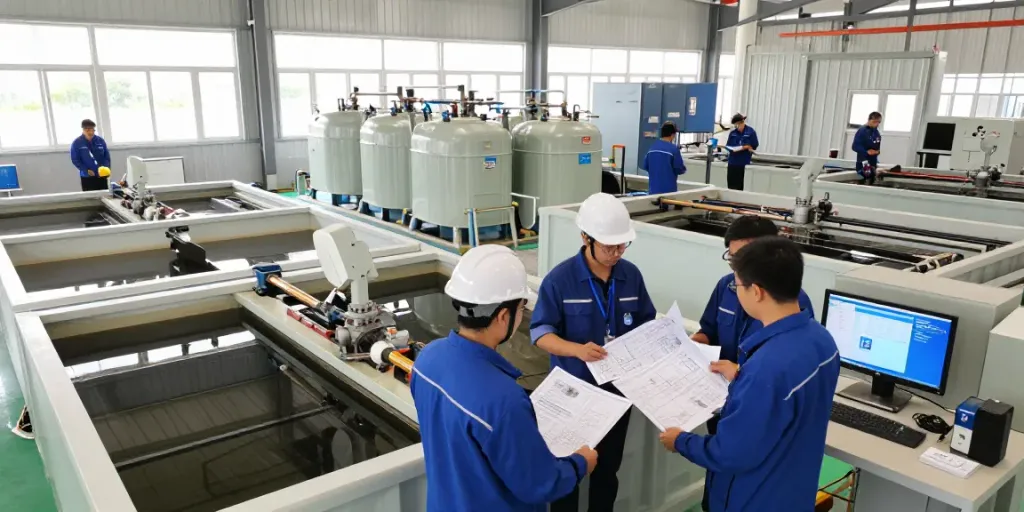
As global water management challenges mount due to increased urbanization, industrialization, and environmental concerns, the demand for efficient and adaptable wastewater treatment solutions has never been more critical. Containerized wastewater treatment systems are emerging as a vital innovation within this space, offering a compact, pre-engineered approach to tackling diverse treatment needs. These systems not only streamline installation and operational processes but also provide organizations with the flexibility to respond swiftly to ever-evolving regulatory requirements and environmental conditions. When exploring options, Wastewater Treatment System Manufacturers play a crucial role in delivering sustainable solutions tailored to various industries.
What are Containerized Wastewater Treatment Systems?
Containerized wastewater treatment systems are modular units housed within standard shipping containers, making them uniquely portable and easy to deploy. Designed for a wide range of applications—from treating domestic sewage to complex industrial effluents—these systems are pre-engineered and assembled, ensuring rapid installation and minimal onsite construction. This design allows for enhanced operational efficiency and adaptability, as these systems can be relocated as needed, catering to temporary or changing treatment requirements.
Key Benefits of Containerized Solutions
The advantages of containerized wastewater treatment systems are manifold:
- Rapid Deployment: Unlike traditional systems that require extensive construction time, containerized systems can be operational within a few days, reducing costs and downtime.
- Flexibility: Their modular nature allows for easy expansion or modification as treatment needs evolve.
- Compact Design: The footprint of these systems is significantly smaller than conventional plants, making them ideal for urban or space-constrained environments.
- Cost-Effectiveness: Reduced installation time and labor lead to lower overall costs, while their ability to handle diverse wastewater types enhances their value.
- Compliance Assurance: Designed with regulatory standards in mind, these systems facilitate adherence to local and international treatment regulations.
Comparative Analysis with Traditional Systems
When comparing containerized systems to traditional wastewater treatment plants, several key distinctions emerge. Traditional systems often require significant infrastructure development and extended commissioning periods, making them less suitable for urgent or temporary applications. Furthermore, containerized solutions minimize the need for extensive land use and construction permits, streamlining the deployment process. As environmental regulations tighten globally, the flexibility and rapid scalability of containerized systems offer a compelling alternative, particularly for industries needing to pivot quickly in response to policy changes.
Top Wastewater Treatment System Manufacturers in 2026
The landscape of wastewater treatment is rapidly evolving, with numerous manufacturers leading the charge in innovation and sustainability. In 2026, key players in the market are focusing on technological advancements, eco-friendly practices, and compliance with stringent environmental regulations to meet global demands.
Leading Brands and Their Innovations
Several manufacturers are revolutionizing the wastewater treatment sector, employing cutting-edge technologies to enhance efficiency and effectiveness:
- Veolia Water Technologies: Known for its advanced filtration and membrane solutions, Veolia is a leader in sustainable water treatment practices.
- Xylem: With a focus on smart technology, Xylem integrates IoT and data analytics to improve wastewater management.
- Evoqua Water Technologies: This company specializes in customized solutions for diverse industries, including the food and beverage sector.
- SUEZ: SUEZ leverages innovative water treatment technologies to facilitate water reclamation and reuse.
Market Trends and Industry Insights
The wastewater treatment industry is witnessing several trends that are shaping its future:
- Increased Adoption of IoT: The integration of Internet of Things (IoT) technology is enabling real-time monitoring and management of wastewater treatment processes, leading to enhanced operational efficiency.
- Sustainable Practices: Manufacturers are increasingly focusing on eco-friendly treatment options, improving energy efficiency, and implementing water reuse systems.
- Regulatory Compliance Pressure: As environmental regulations become more stringent, manufacturers are investing in technologies that ensure compliance and reduce environmental footprints.
Regulatory Compliance and Standards
Compliance with environmental regulations is paramount for wastewater treatment system manufacturers. In 2026, standards will continue to evolve, pushing manufacturers to innovate continually. The United States Environmental Protection Agency (EPA), European Union regulations, and local governmental standards will remain pivotal in shaping operational protocols, treatment efficacy, and overall system design. Companies that prioritize compliance while developing adaptable and efficient systems are likely to thrive in this competitive market.
Deployment and Installation of Containerized Systems
Successfully deploying containerized wastewater treatment systems involves careful planning and execution. Understanding the steps involved can significantly enhance the effectiveness of these solutions.
Steps for Efficient Deployment
The deployment process for containerized systems usually follows a structured approach:
- Site Assessment: Evaluate the site for accessibility, space requirements, and power needs.
- Logistical Planning: Coordinate transportation of the container, including any necessary permits and crane operations.
- Installation: Position the unit using a crane, connect utilities, and perform initial testing and calibration.
- Training and Handover: Ensure staff are trained on the operation and maintenance of the system before officially commencing operations.
Site Preparation and Logistics
Preparing the installation site is critical for seamless deployment. Key considerations include:
- Identifying and preparing the ground to support the container’s weight.
- Ensuring adequate access for transport vehicles and cranes.
- Setting up utilities like water, power, and waste discharge points.
Common Challenges and Solutions
While containerized systems are designed for ease of deployment, challenges can still arise:
- Transportation Issues: Ensure proper logistical planning to avoid delays in transportation, including securing routes and permissions.
- Operational Training: Providing comprehensive training to operators can mitigate mismanagement and enhance system efficiency.
- Regulatory Challenges: Staying abreast of local regulations and permitting requirements is essential to avoid legal issues.
Real-World Applications of Containerized Systems
Containerized wastewater treatment systems are increasingly being utilized in various sectors, showcasing their versatility and effectiveness in addressing unique treatment challenges.
Case Studies in Domestic and Industrial Settings
Several case studies highlight the successful implementation of containerized systems:
- Residential Applications: A housing development in California utilized a containerized system to manage wastewater efficiently, reducing environmental impact while maintaining compliance with state regulations.
- Industrial Use: An oil refinery in Texas deployed a containerized system to treat wastewater, streamlining processes and improving overall operational sustainability.
Impact on Environmental Sustainability
Containerized systems contribute significantly to environmental sustainability by:
- Minimizing land use through compact design.
- Offering treatment solutions that reduce harmful effluents discharged into the environment.
- Facilitating water reuse and reclamation practices that conserve water resources.
Feedback from Users and Operators
Users of containerized wastewater treatment systems have reported notable advantages, including:
- Ease of maintenance and operation, leading to lower operational costs.
- High adaptability to changing regulatory requirements.
- Improved community relations due to reduced environmental impact.
Future Trends in Wastewater Treatment Technology
The future of wastewater treatment technology is promising, with emerging trends poised to reshape industry standards and practices.
Emerging Technologies and Innovations
Key technological advancements expected to impact wastewater treatment include:
- Artificial Intelligence: AI technologies will enable predictive maintenance and operational efficiencies.
- Advanced Membrane Technologies: Next-generation membranes will enhance filtration efficiency and water quality.
- Biotechnology: The use of microorganisms in treatment processes is expected to increase, improving organic matter breakdown.
Predictions for the Industry by 2030
By 2030, the wastewater treatment industry is expected to see:
- An increase in the adoption of smart systems that leverage data for real-time decision-making.
- Further integration of sustainable practices, with a focus on the circular economy.
- A shift towards decentralized treatment systems, enabling localized solutions.
Best Practices for Manufacturers in a Competitive Market
Manufacturers seeking to thrive must consider the following best practices:
- Invest in R&D to stay ahead of technological advancements and market demands.
- Enhance customer support and training programs to improve user satisfaction.
- Collaborate with regulatory bodies to ensure compliance and influence future standards.
What are the emerging trends affecting Wastewater Treatment System Manufacturers?
The trends outlined above, including technological integration, sustainability, and regulatory compliance, are driving manufacturers to adapt and innovate continuously. Staying attuned to these trends will enable manufacturers to maintain a competitive edge.
How do containerized wastewater treatment systems benefit various industries?
Containerized systems offer flexibility, rapid deployment, and compliance assurance, making them valuable assets for sectors ranging from municipal operations to agriculture and manufacturing. Their ability to adapt to different wastewater types further enhances their utility.
What should businesses consider when selecting a wastewater treatment partner?
Considerations should include the manufacturer’s reputation, technological capabilities, support services, and cost-effectiveness to ensure a successful partnership.
What regulations do manufacturers need to follow in 2026?
Manufacturers must adhere to both local and international standards governing wastewater treatment, including the EPA’s guidelines and emerging environmental regulations to ensure their systems are compliant and sustainable.
How can companies improve efficiency in wastewater treatment systems?
Continuous improvement can be achieved through investing in advanced technologies, regular maintenance, training, and monitoring systems to optimize treatment performance and minimize downtime.